

One of the biggest challenges students face when studying abroad is the language barrier. It’s not just about being able to speak or write in another language. It’s also about getting used to local slang, accents, and the way people naturally communicate.
Take English, for example. It’s the official language in many countries, so you might assume that communicating won’t be much of a challenge, especially if you’ve been learning English since childhood. But the reality can be quite different. Imagine arriving in Australia and realizing that you can barely understand what someone is saying, even though they’re speaking English. The unfamiliar expressions, distinct accent, and rapid pace of conversation can quickly become overwhelming.
1. Practice as much as you can

Keep chatting to overcome language barriers while studying abroad. Practice forming sentences, learn new words, and record your conversations. Playing them back helps you speak more effortlessly.
2. Learn the basics

Start learning a new language early by memorizing key expressions and words, like numbers and common phrases. Use them regularly, even if it’s just a few at a time. Gradually, you’ll build confidence and understanding in the language.
3. Make friends

Make an effort to connect with local students or residents. Building friendships with native speakers not only provides opportunities for language practice but also enriches your cultural experience.
4. Spend time watching movies and series to enhance language skills

Watching films and TV shows is the safest way to start learning a language. They’re filled with daily dialogues, making it easy to pick up. Plus, it’s enjoyable! So, immerse yourself in your target language by catching up some episodes.
5. Join various university groups and clubs
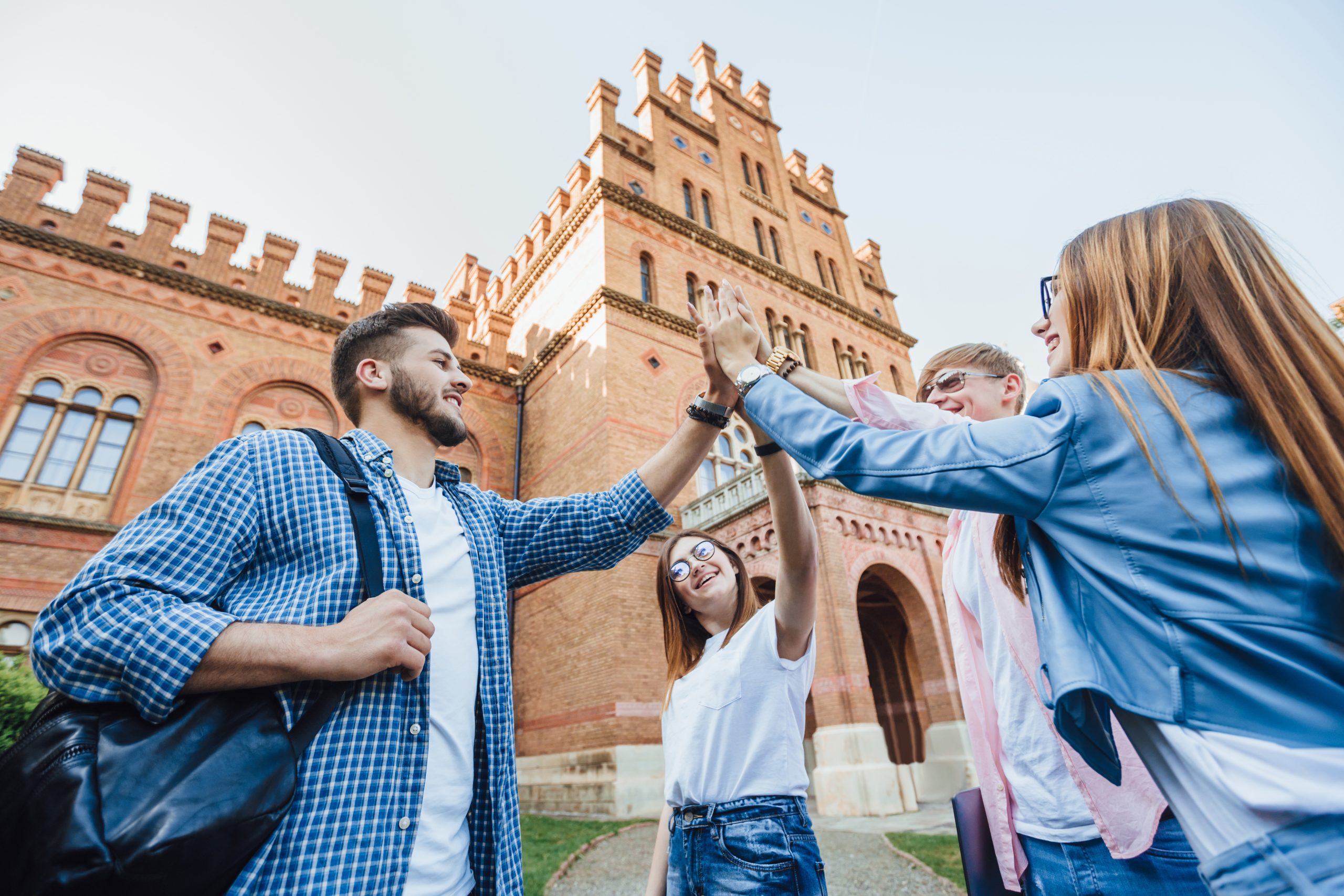
Getting involved in university clubs is one of the best ways to make friends and pursue your passions. Whether you join the campus band or jump into a sports club, shared activities make connecting effortless, no matter what your native language is.
Taking it a step further by volunteering or attending local cultural events immerses you in the community and gives you real-world opportunities to practice your language skills.
Want To Know More?
Want to know more about studying abroad? Get expert university placement advice tailored to you. Speak with our experienced counsellors today for a 100% free consultation. Contact us now!